EU-FarmBook spotlights AI-supported pathway from EU research to on-farm practice at lunchtime debate with EC
Brussels, 10 April 2026
EU-FarmBook was showcased at the European Commission, demonstrating how AI-supported, open-access knowledge sharing can turn EU-funded research into practical tools for farmers and advisors across Europe.
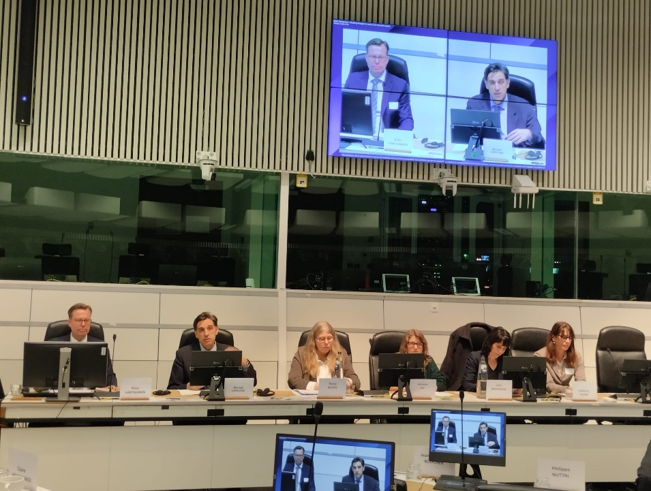
How can results from EU-funded projects reach farmers, advisors and rural actors faster – and in a form they can actually use? That question took centre stage at a lunchtime debate with the Cabinet of Christophe Hansen, European Commissioner for Agriculture and Food.
The session brought colleagues from various DG AGRI departments. Inge De Bo and Pieter Spanoghe (Ghent University) from the EU-FarmBook Management Board alongside Louis Powell and Pranav Bapat (Maastricht University) presented key features and benefits of the platform – including the Farm Assistant.
Where research meets reality
“EU-FarmBook is more than a tool, it is a bridge where research meets reality”, says Scientific Coordinator Inge De Bo. It is not just a repository; it is a free, open-access one-stop knowledge hub for agriculture designed to bring together outputs from EU-funded projects and help solutions scale across Europe.
Pranav Bapat highlighted the heavy, manual workload project teams face when sharing results across multiple channels – project websites, open repositories such as Zenodo and social media. EU-FarmBook addresses this by allowing teams to publish directly via dedicated project pages, supported by validated AI tools that make uploading more efficient while improving overall quality.
Quality assurance was a key theme. Pieter Spanoghe summed it up: “Garbage in means garbage out, so we need good quality knowledge objects on EU-FarmBook to offer high-quality knowledge to the users of the platform.”
EU-FarmBook focuses on what it can meaningfully validate – ensuring content fits the agricultural domain, that each knowledge object contains rich, usable information, and that essential metadata is provided (including author contact details, summaries, keywords, purpose and topic).
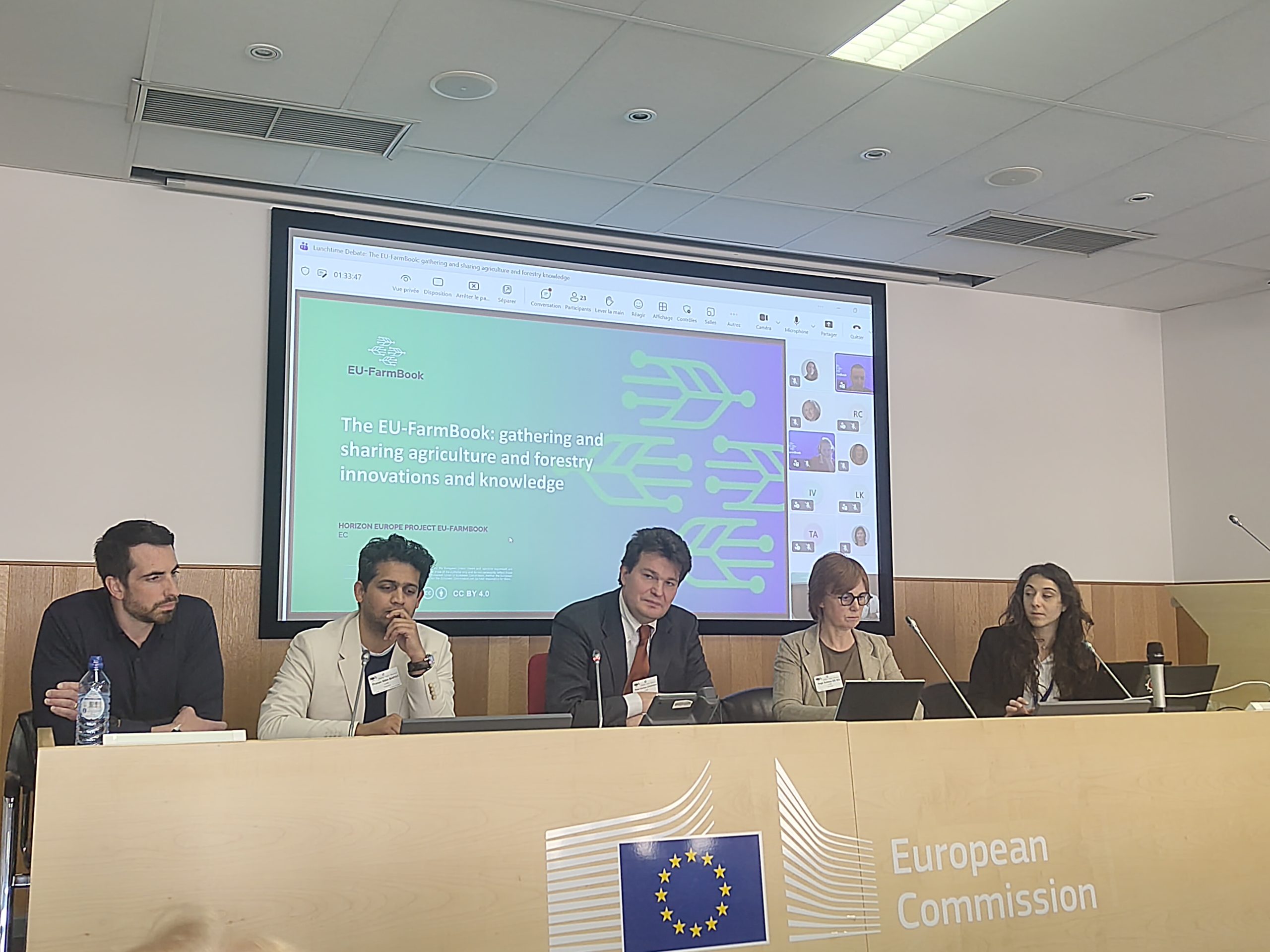
Louis Powell demonstrated the platform and showcased the growing ecosystem around it, including collaborations with projects such as thERBN, ResAlliance, NUTRI-KNOW and AQUAGRI-KNOW, links to established databases (e.g., GroenKennisNet, CORDIS, the EU CAP Network) and engagement with communities such as Biorefine Cluster Europe.
Rather than a conventional presentation, the session became an interactive exchange on persistent barriers – fragmented knowledge, usability, long-term accessibility and adoption across AKIS. The shared ambition: build a stronger “culture of use” so EU research outputs are not just published, but put into practice.